Why I’m Growing Pitiona
I grow a lot of herbs, but pitiona is one of the ones that actually changes how I think about food.
Some herbs are easy. Basil goes with tomatoes. Rosemary goes with roasted meat. Chives go on everything because chives understand the assignment.
Pitiona is different. It is more specific. It points toward Mexican cooking, especially Oaxacan cooking, where sauces are layered, aromatic, and not built around one loud flavor. That is exactly why I wanted it in my garden.
I bought mine from One Green World, where it is sold as “Pitiona Oaxaca Lemon Verbena.” Their plant listing describes it as aromatic, with a mint-and-lemon scent, pink and lavender flowers, and a mature size around 4 to 5 feet. That lines up with what I’m seeing in my own plant: it is not acting like a soft little annual herb. It is behaving like a loose, woody culinary shrub.
That matters in the kitchen. Pitiona is not just a garnish. It is an aromatic herb for sauces, beans, tamales, stews, broths, and rich dishes that need a green lift without turning into salad.
What Pitiona Tastes Like
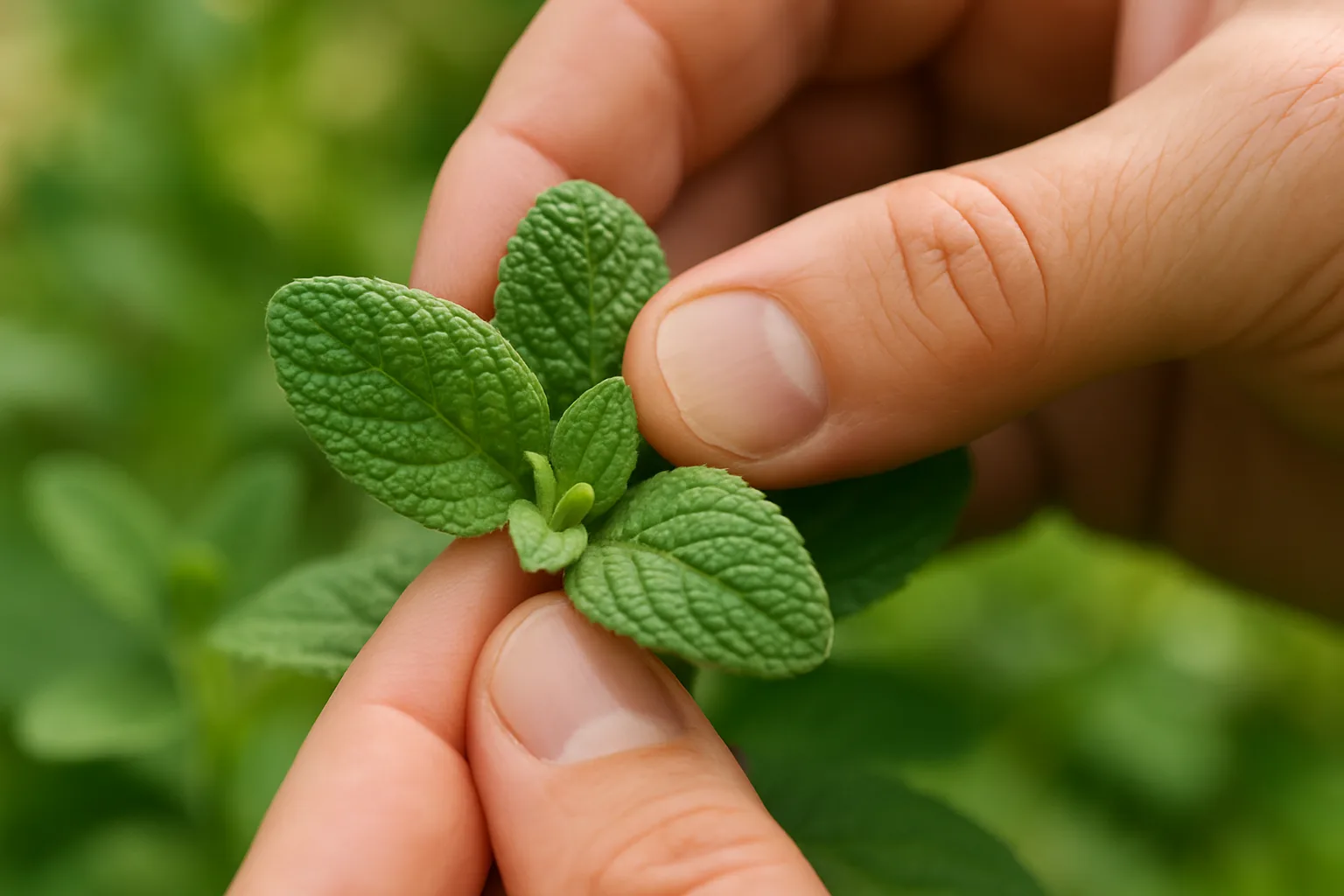
Pitiona is hard to describe because it does not taste like just one thing.
When I crush the leaves, I get citrus first. Then mint. Then an oregano-like savory note. Under that is something piney and resinous, almost like a wild mountain herb. That combination is why it makes sense with mole. Mole already has depth from dried chiles, seeds, spices, fruit, fat, and sometimes chocolate. Pitiona adds aroma and lift without needing to dominate the sauce.
The practical way to think about it is this:
Pitiona is a background herb, not a headline herb.
You do not want the finished dish to taste like pitiona took over. You want people to taste the mole or beans and wonder why the flavor seems deeper and more complete.
That is the sweet spot.
What the Science Says About the Aroma
The science is useful here, but only if we keep it practical.
Researchers usually study pitiona under the Latin name Lippia alba. Most of the papers are not about cooking. They are about essential oils, aroma compounds, and different plant “chemotypes.”
A chemotype just means this: two plants can be closely related, but their aromas can lean in different directions because they produce different dominant oils.
That helps explain why pitiona can smell layered instead of simple. Some plants lean more citrusy because of compounds such as neral and geranial. Others can lean more minty or herbal because of compounds such as carvone and limonene.
That is the useful food takeaway.
Pitiona is not just “lemony.” Depending on the plant, it can come across as citrusy, minty, herbal, floral, resinous, or lightly piney. That is why it works so well in mole and beans: it adds aroma, not just flavor.
For the curious, here are the papers I looked at:
- Citral and carvone chemotypes from the essential oils of Colombian Lippia alba
- Chemical characterization of Lippia alba essential oil
- Essential Oils of New Lippia alba Genotypes
I am not using this research to make health claims. I am using it for the kitchen.
The science explains why the herb smells interesting. The cook still has to decide how much belongs in the pot.
How Pitiona Is Used in Mexican and Oaxacan Cooking
Pitiona has a real place in traditional Oaxacan cuisine.
Slow Food’s Ark of Taste connects pitiona with traditional dishes such as yellow mole, tichinda atole, iguana mole, chicatana sauce, and other moles and sauces. You can read that entry here: Slow Food Ark of Taste: Pitiona.
That does not mean every mole uses pitiona. Mexican cooking is regional, family-based, and practical. Ingredients change by place, season, and cook. But pitiona belongs in the same flavor world as mole negro, mole coloradito, mole amarillo, beans, tamales, stews, and broths.
The key is restraint.
Pitiona should support the dish. It should not become the whole dish. In a mole, I want it in the background with the chiles, seeds, spices, and chocolate. In beans, I want it to give a little aromatic lift. In tamales, I want it to support the sauce or filling, not make the masa taste like an herb garden.
A little goes a long way. That is not a warning to avoid it. That is the reason it is useful.
Growing Pitiona in My Garden
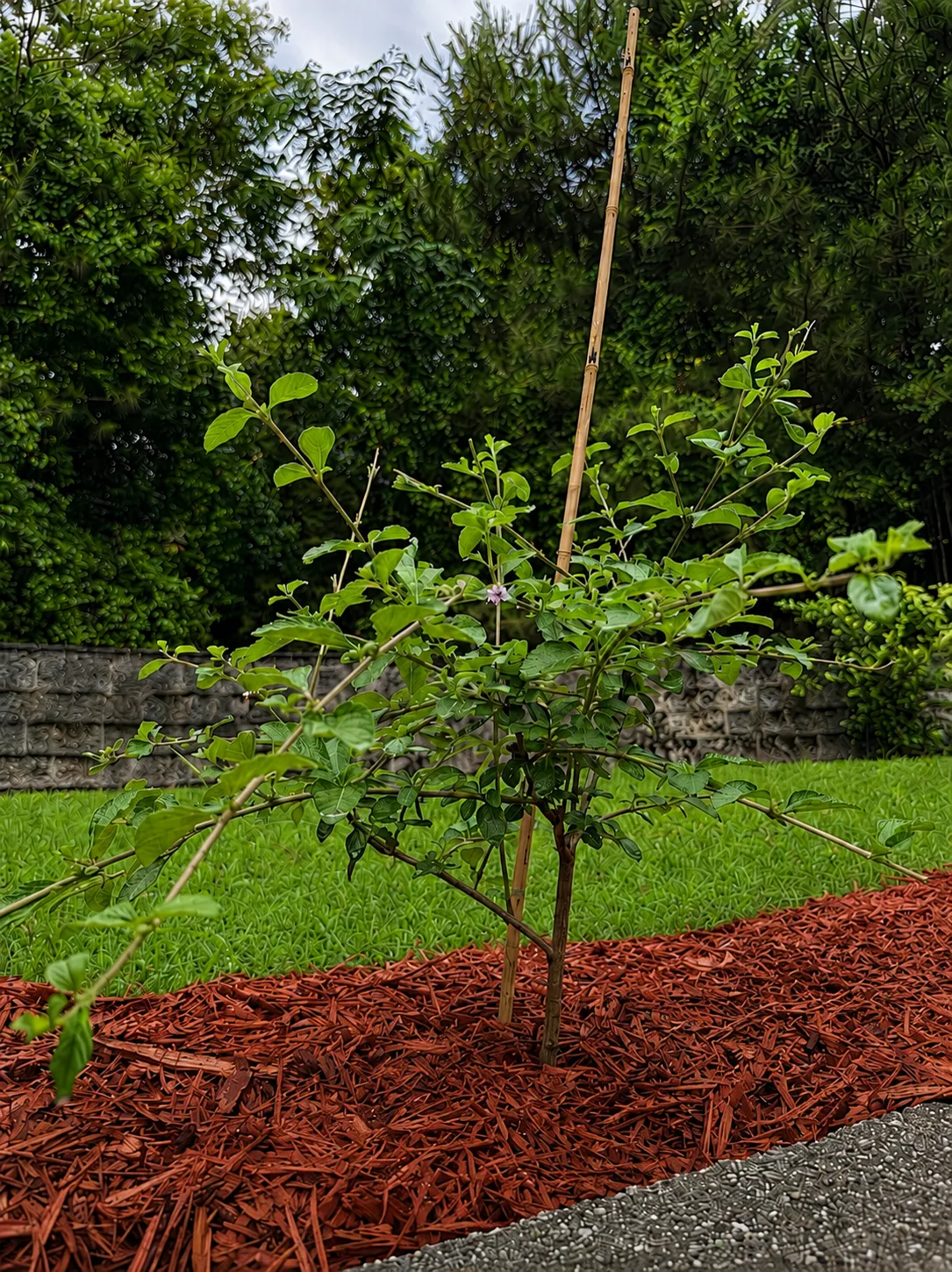
Mine is growing in the ground in my Georgia garden. From the photo, it is already showing a woody lower structure, long reaching branches, bright green textured leaves, and small pale lavender-pink flowers. I have it staked because it wants to sprawl a bit.
It is planted in red mulch near my retaining wall area, with grass, trees, and the wall behind it. It looks more like a small culinary shrub than a delicate windowsill herb.
Hardiness is where the sources differ.
One Green World lists pitiona as USDA Zone 8b and says it should be hardy to about 15°F. Sow Exotic is more cautious and lists it for outdoor growing in zones 9 to 11 with frost protection. So my practical garden position is this: I am growing it, watching it, and not pretending the plant has signed a contract with the zone map.
For my garden, pitiona is valuable because it gives me a flavor I cannot easily buy fresh. That is one of the best reasons to grow a plant. If I can get parsley at any grocery store, fine. But pitiona? That belongs in the garden.
How I’m Using It in the Kitchen
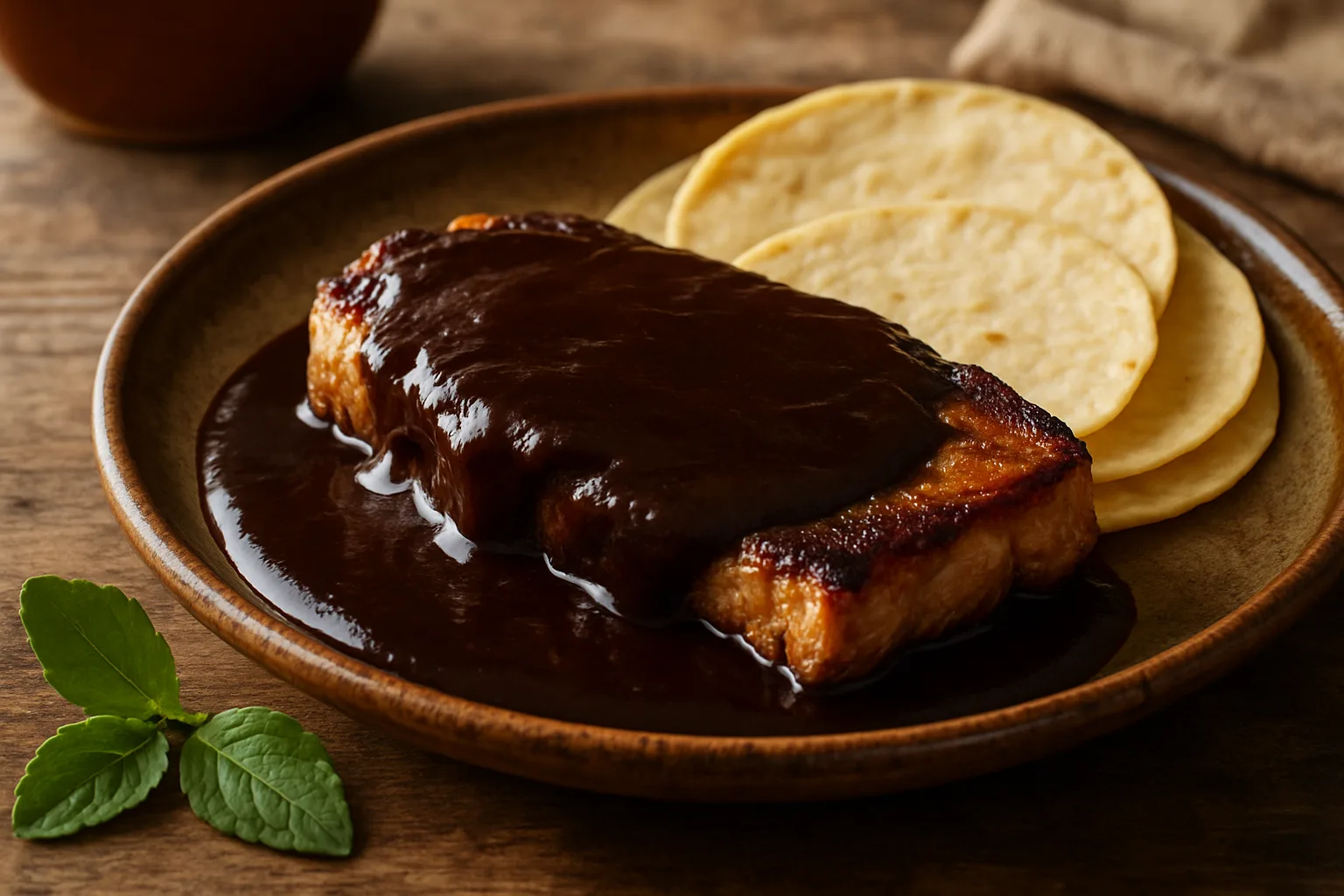
I am mostly thinking about pitiona in three ways: mole, beans, and pork.
For mole, I would add pitiona near the end of cooking or steep it gently in the finished sauce. The aroma is volatile, so I do not want to boil it for an hour and drive off the best part.
For beans, I would use it like a supporting aromatic. Black beans, pinto beans, or refried beans can all handle that citrus-mint-herbal note. Beans are plain enough to show off the herb but earthy enough to keep it from tasting sharp.
For pork, especially sous vide pork butt crisped on the Blackstone, pitiona makes a lot of sense. Rich pork needs contrast. A dark mole with pitiona gives you chile depth, roasted seed richness, and a green aromatic edge that cuts through the fat.
Fresh pitiona gives the brightest aroma. Dried pitiona should be more concentrated and probably more integrated, closer to the way dried oregano works in a sauce. I want both in my kitchen because they will not behave exactly the same.
That is the fun part. Fresh and dried herbs are not duplicates. They are different tools.
What I’d Tell Another Cook
Start small.
Use pitiona as an aromatic, not as a vegetable. Add it late when you want brightness. Let it simmer gently when you want it to disappear into the background. Try it with mole, beans, tamales, pork, chicken, turkey, mushrooms, and brothy stews.
Do not turn every dish into a pitiona demonstration. That is how good herbs become annoying.
Use enough that the dish tastes more interesting. Stop before it tastes like you lost a fight with a shrub.
That is the whole game.