This post contains affiliate links. As an Amazon Associate, I earn from qualifying purchases.
Unlocking Umami: The Magic of Shio Koji
What is Shio Koji?
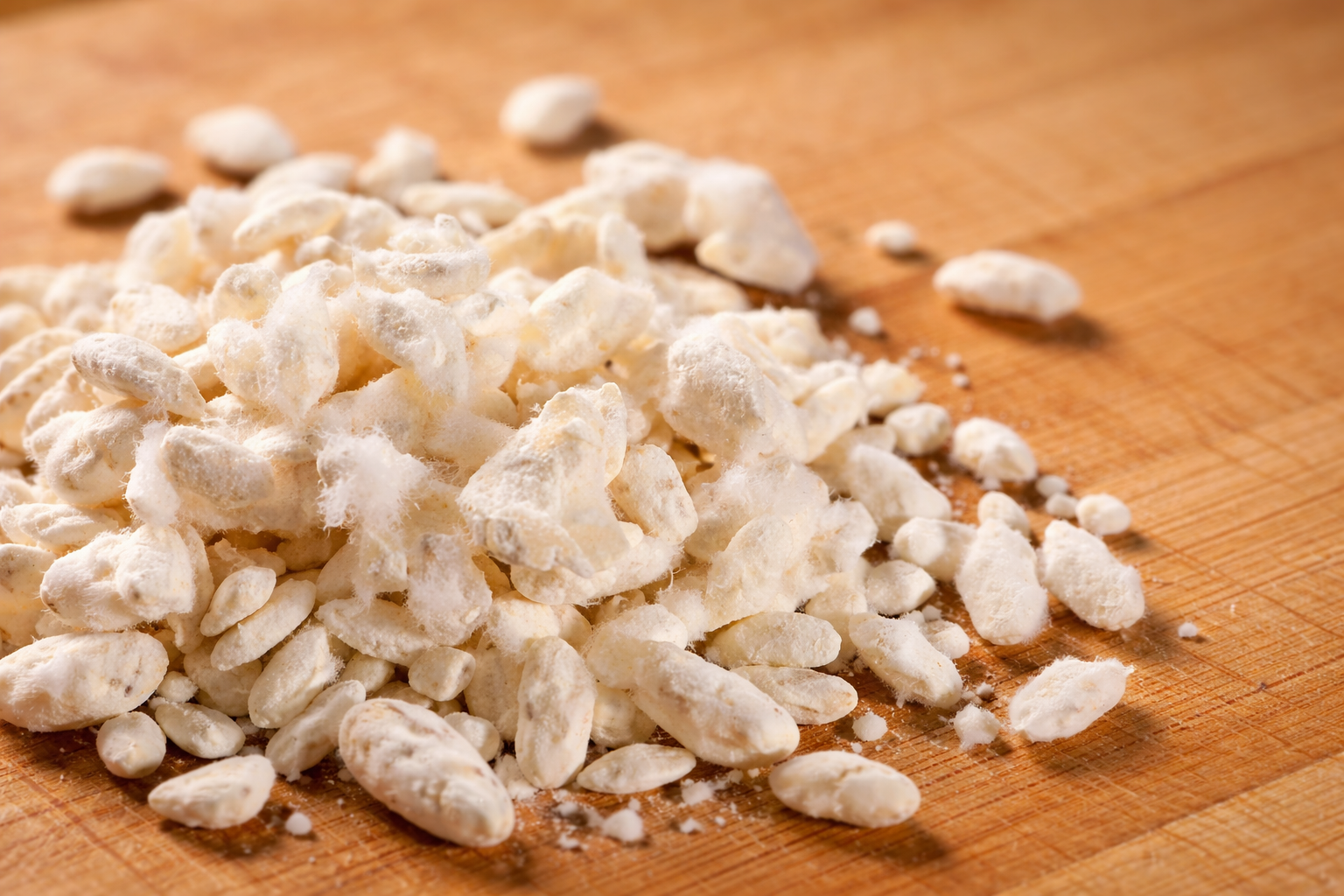
Let me let you in on a little culinary secret—the magical world of shio koji. This Japanese marvel, a salted concoction of water, salt, and rice inoculated with koji mold (the same fungi that gives us sake and miso), seems to have superpowers when it comes to flavor and texture. Shio koji is the seasoning equivalent of finding a cheat code in a video game!
Historically rooted in Japanese cuisine, shio koji has traveled beyond its borders, gaining popularity due to its incredible umami-boosting properties. This versatile elixir is celebrated not only for infusing dishes with deep, savory layers but also for its tenderizing effect on proteins like pork and chicken—think of it as marinating with superpowers!
Using Shio Koji
Marvel at the magic: Rub it on meats before roasting for an accolade-worthy dish, or mix it into salad dressings for a delightfully complex twist. You’ll notice how shio koji transforms each bite, offering slightly sweet, deeply savory, and tangy notes.
Recipe
Prep: 10 min · Yield: appox 3 cups
Ingredients
Rice koji, measured in grams. I get mine on Amazon
Water, measured in grams
Salt, measured in grams
Equipment
Digital scale
Bowl or jar
Spoon or spatula
Instructions
Weigh your empty bowl or jar if needed, then place it on the scale and tare it to zero.
Add your rice koji and note the weight in grams.
Multiply the rice koji weight by 1.4 to get the water amount. Then add the koji and water weights together and multiply that total by 0.09 (9%) to get the salt amount. (Salt is figured against the koji plus water — that’s what keeps the brine strong enough for a safe room-temperature ferment, and it stays correct even if you adjust the water.)
Add the measured water and salt to the rice koji. Stir until everything is evenly combined. The mixture should look like a thick, loose porridge. Let is
Transfer to a clean jar if needed.
Notes
Let it sit at room temperature for 7 to 10 days. Stir it once a day (or don’t). It is ready when the grains have softened and the mixture smells pleasantly sweet, savory, and slightly fermented.
After that, refrigerate it to slow the fermentation. Once refrigerated, it generally keeps well for about 3 to 6 months.
Quick Reference Formula
For any amount of rice koji:
Water = rice koji × 1.4
Salt = (rice koji + water) × 0.09 — that’s 9% of the koji + water weight
Example Calculation
If you use 1000 g rice koji:
Water = 1000 × 1.4 = 1400 g
Salt = (1000 + 1400) × 0.09 = 216 g
So your batch would be:
1000 g rice koji
1400 g water
216 g salt
Note on digital scale measurements
Using grams makes the recipe easy to scale up or down without converting cups or spoons. Since the water is weighed too, you can build the whole batch directly in the container on the scale.
Recipe
Prep: 10 minTotal: 10 minYield: appox 3 cups
Ingredients
Instructions
Weigh your empty bowl or jar if needed, then place it on the scale and tare it to zero.
Add your rice koji and note the weight in grams.
Multiply the rice koji weight by 1.4 to get the water amount. Then add the koji and water weights together and multiply that total by 0.09 (9%) to get the salt amount — salt is calculated against the koji + water so the brine stays in the safe range for fermentation.
Add the measured water and salt to the rice koji. Stir until everything is evenly combined. The mixture should look like a thick, loose porridge.
Transfer to a clean jar if needed.
Notes
Equipment
Digital scale
Bowl or jar
Spoon or spatula
Let it sit at room temperature for 7 to 10 days. Stir it once a day (or don’t). It is ready when the grains have softened and the mixture smells pleasantly sweet, savory, and slightly fermented.
After that, refrigerate it to slow the fermentation. Once refrigerated, it generally keeps well for about 3 to 6 months.
Quick Reference Formula
For any amount of rice koji:
Water = rice koji × 1.4
Salt = (rice koji + water) × 0.09 (9% of the koji + water weight)
Example Calculation
If you use 1000 g rice koji:
Water = 1000 × 1.4 = 1400 g
Salt = (1000 + 1400) × 0.09 = 216 g
So your batch would be:
1000 g rice koji
1400 g water
216 g salt
Using grams makes the recipe easy to scale up or down without converting cups or spoons. Since the water is weighed too, you can build the whole batch directly in the container on the scale.
TC
From the kitchen of
Timothy Cunningham's Kitchen
Marinade
Unlocking Umami: The Magic of Shio Koji
What is Shio Koji?
Let me let you in on a little culinary secret—the magical world of shio koji. This Japanese marvel, a salted concoction of water, salt, and rice inoculated with koji mold (the same fungi that gives us sake and miso), seems to have superpowers when it comes to flavor and texture. Shio koji is the seasoning equivalent of finding a cheat code in a video game!
Published
April 17, 2026
Yield
appox 3 cups
Course
Marinade
Cuisine
Japanese
At a glance
Prep time10 min
Total time10 min
Ingredients
What you need
Rice koji, measured in grams. I get mine on Amazon
Water, measured in grams
Salt, measured in grams
Method
How to make it
Weigh your empty bowl or jar if needed, then place it on the scale and tare it to zero.
Add your rice koji and note the weight in grams.
Multiply the rice koji weight by 1.4 to get the water amount. Then add the koji and water weights together and multiply that total by 0.09 (9%) to get the salt amount — salt is calculated against the koji + water so the brine stays in the safe range for fermentation.
Add the measured water and salt to the rice koji. Stir until everything is evenly combined. The mixture should look like a thick, loose porridge.
Transfer to a clean jar if needed.
Kitchen notes
Equipment
Digital scale
Bowl or jar
Spoon or spatula
Let it sit at room temperature for 7 to 10 days. Stir it once a day (or don’t). It is ready when the grains have softened and the mixture smells pleasantly sweet, savory, and slightly fermented.
After that, refrigerate it to slow the fermentation. Once refrigerated, it generally keeps well for about 3 to 6 months.
Quick Reference Formula
For any amount of rice koji:
Water = rice koji × 1.4
Salt = (rice koji + water) × 0.09 (9% of the koji + water weight)
Example Calculation
If you use 1000 g rice koji:
Water = 1000 × 1.4 = 1400 g
Salt = (1000 + 1400) × 0.09 = 216 g
So your batch would be:
1000 g rice koji
1400 g water
216 g salt
Using grams makes the recipe easy to scale up or down without converting cups or spoons. Since the water is weighed too, you can build the whole batch directly in the container on the scale.
Dispatch
Get New Recipes in Your Inbox
Subscribe for new recipe notifications. No spam, unsubscribe anytime.